
Understanding the Full Circuit
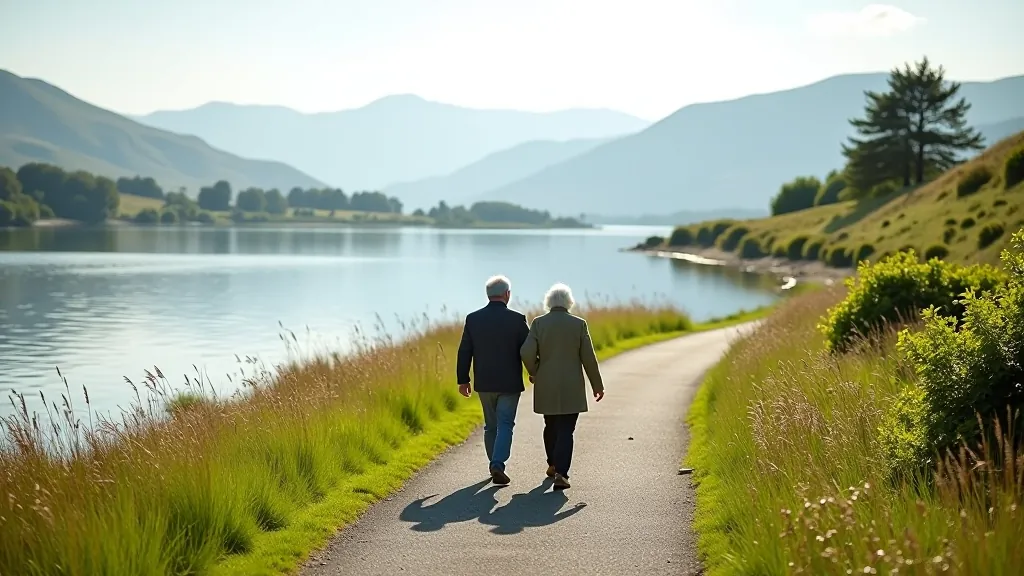
Lough Derg isn't one continuous path — it's more like a necklace of connected trails hugging the shoreline. The complete circuit runs 33 kilometres and takes most people 8-10 hours of actual walking time. But here's the thing: you don't have to do it all at once.
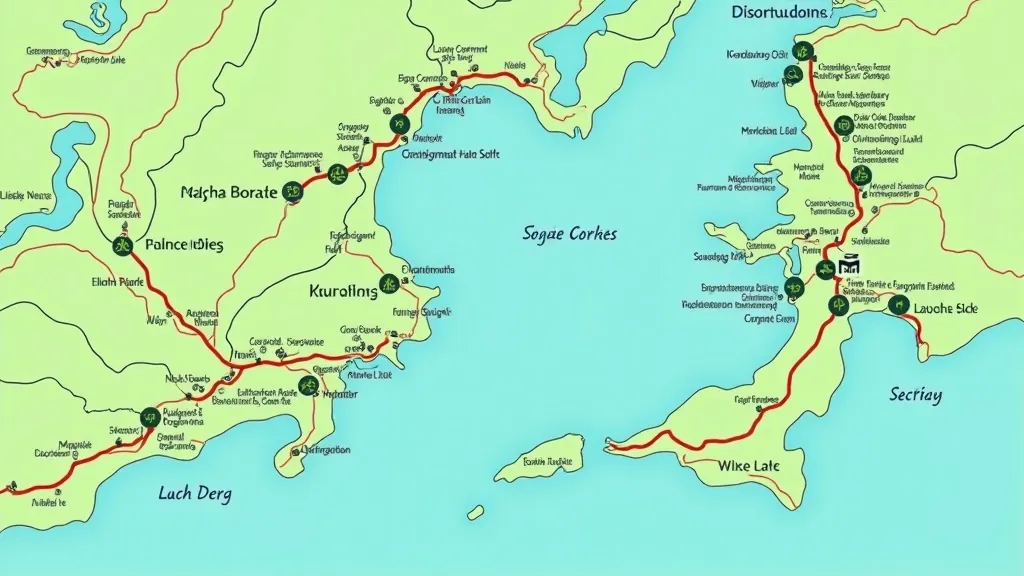
The circuit naturally divides into three sections. The northern stretch (Dromineer to Ballinderry) covers about 11km. The eastern side (Ballinderry to Killaloe) is roughly 12km. The western stretch back to Dromineer completes it at around 10km. Most walkers tackle one section per visit, which means a comfortable 3-4 hours on the path.
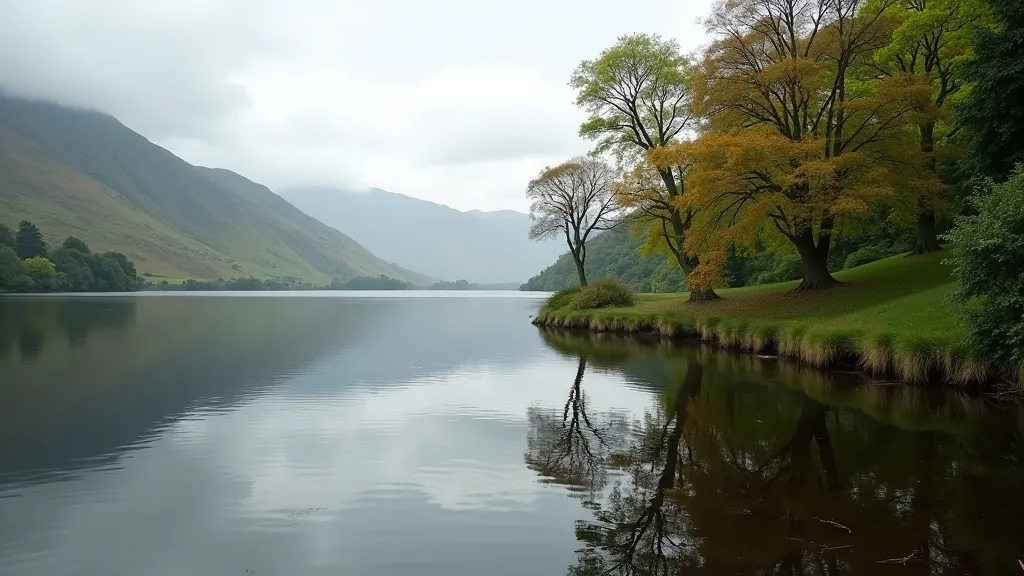
You'll encounter limestone outcrops, small beaches, and plenty of spots where the path opens up to reveal views across the water. The walking surface varies — some stretches are tarmac, others are gravel or compacted earth. Nothing treacherous, but you'll want proper footwear.
Pro Tip
Start your walk early — between 8am and 9am. You'll avoid afternoon crowds, have better light for photos, and finish before the day gets too warm. The morning air off the water is crisp and keeps you energized for the full distance.
What You'll Actually Need
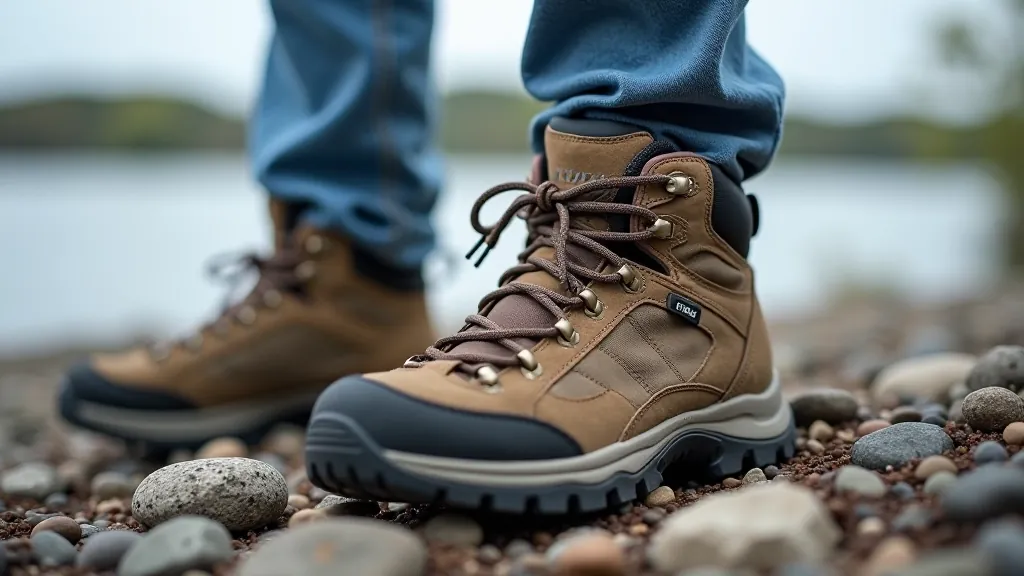
Footwear matters most. You're not climbing mountains, so regular hiking boots are overkill. Trail shoes or waterproof walking shoes work perfectly. Make sure they've got grip — you'll encounter wet sections near the water's edge, especially after rain.
Bring layers. Even in summer, the wind off the water gets cold fast. A light jacket you can tie around your waist takes up almost no space. A hat protects you from sun reflection off the water — that bounce-back heat is stronger than you'd expect.
Pack more water than you think you'll need. At least 2 litres. There are a few spots where you can refill, but they're not frequent. A small snack — nuts, fruit, a cereal bar — keeps your energy steady without weighing you down.

Breaking Down Each Section
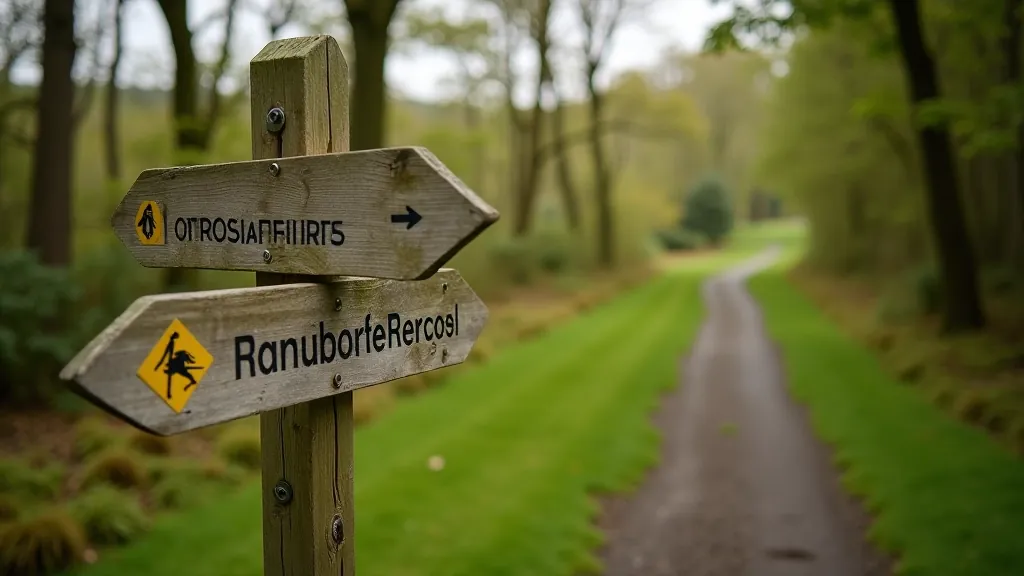
Start at Dromineer village if you're doing the full circuit. There's good parking and a few cafes for pre-walk coffee. Head north along the waterfront — the first 2km is straightforward, mostly flat with good visibility.
Around the 4km mark, you'll reach Ballinderry. This is a natural rest point with benches and a small pier. The walk from here to Killaloe is the longest stretch (12km) but also the most scenic. The path climbs slightly inland through woodland, then drops back down to reveal stunning water views.
Killaloe itself is worth a stop. There's a working boatyard, a bridge crossing the Shannon, and the town has restaurants if you want to break your walk into two days. The western return to Dromineer follows quieter paths through farmland and small forestry plantations.
Watch Out For
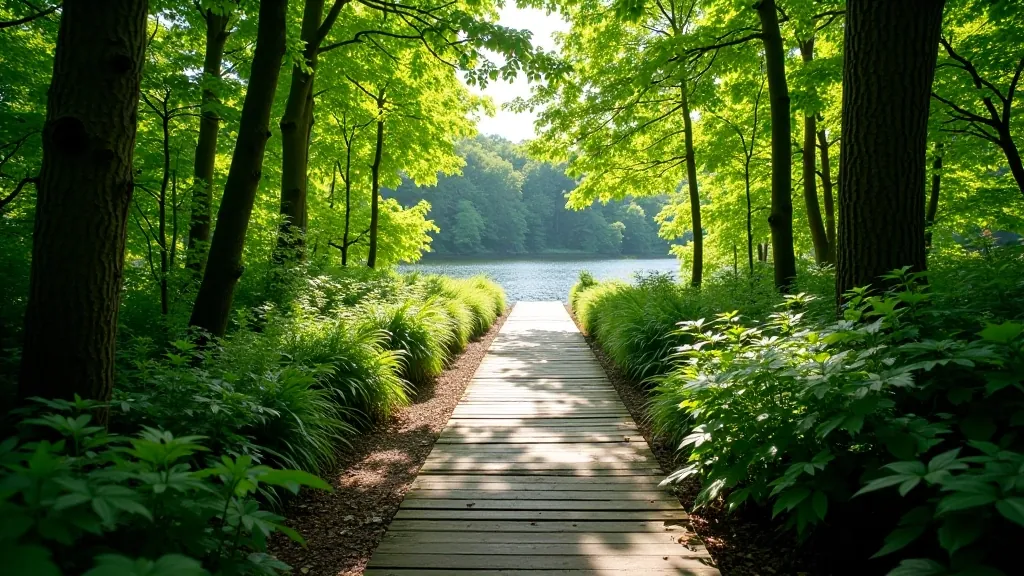
The section near Mountshannon can get muddy after rain. Sections of the path run right along the shoreline — stable but narrow in places. Don't walk the full circuit in poor visibility. Storms roll across the lough fast, and you'll want to see where you're stepping.
When to Walk & How Long It Takes
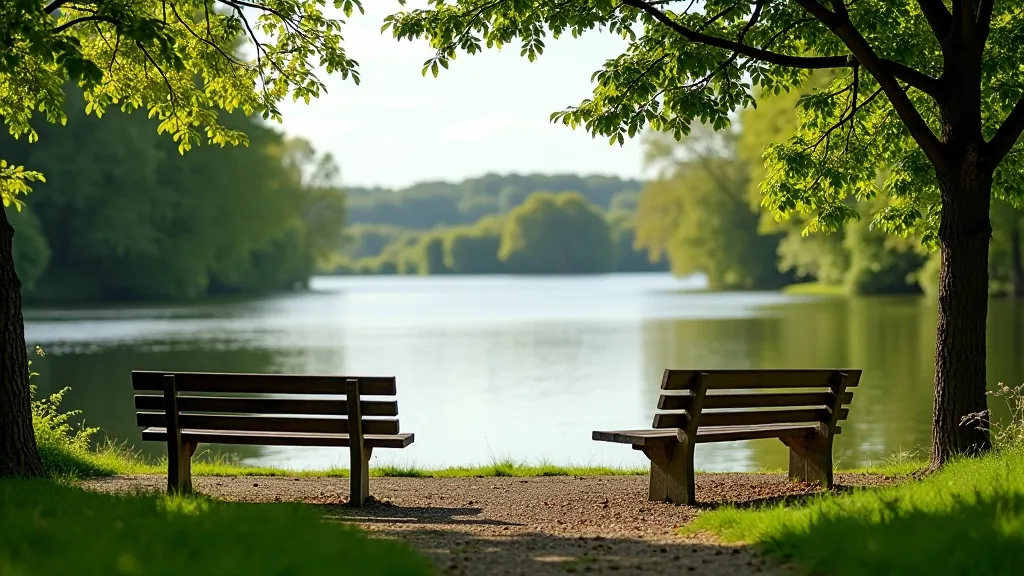
Spring (April-May) and autumn (September-October) are ideal. The weather's stable, temperatures sit around 12-15°C, and you won't overheat. Summer brings crowds and occasional rain. Winter's walkable but shorter daylight hours limit how far you can go safely.
For the full 33km circuit, expect 8-10 hours of walking time. That's actual walking, not including rest stops. Most people take 2-3 hours longer when you factor in breaks, photos, and exploring small detours.
The northern section (Dromineer to Ballinderry) takes 2.5-3 hours. Eastern section (Ballinderry to Killaloe) runs 3-4 hours. Western return (Killaloe to Dromineer) is 3-3.5 hours. Breaking it into three separate days gives you time to absorb the scenery and isn't exhausting.
Getting Started on Lough Derg
Lough Derg isn't a secret — plenty of people walk it every year. But it's large enough that you won't feel crowded. The path is well-maintained, the scenery rewards your effort, and you'll finish the day knowing you've covered real distance.
Start with one section. Walk it slowly. Notice the water changing colour as the light shifts. Watch for swans near Dromineer and herons along the quieter stretches. Come back for the next section when you're ready. There's no rush. The lough will be there, waiting.
Ready to Explore More?
Check out our comprehensive guide to lakeside walk safety and preparation before you head out.
View Safety GuideImportant Information
This guide provides educational information about the Lough Derg walking circuit. Weather conditions, path maintenance, and accessibility can change. Always check current conditions with local authorities before your visit. Wear appropriate footwear, carry sufficient water, and inform someone of your planned route. Individual fitness levels vary — adjust distances and pace to suit your ability. This information is intended as a general reference, not as professional hiking or medical advice.