

Lough Derg Shoreline: A Beginner's Guide to the Full Circuit
Step-by-step walkthrough of the most popular Lough Derg paths, with rest stops, difficulty sections, and scenic highlights along the route.
Essential checklist covering footwear, weather planning, hydration, walking poles, and how to pace yourself for longer trails.

Walking along Ireland's beautiful lakes isn't complicated, but it does require some thought. You're not just putting on shoes and heading out — there's a difference between a pleasant stroll and one where you're uncomfortable, tired, or unprepared for changing weather. That's what this guide covers. We'll walk you through the essentials so you can focus on enjoying the scenery instead of worrying about whether you've got everything you need.
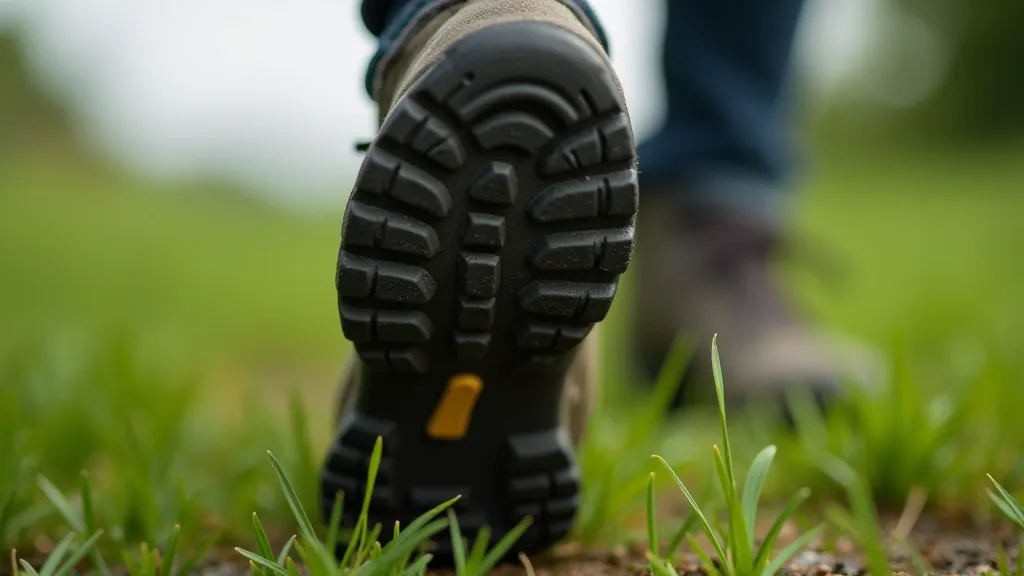
Your feet are doing all the work, so they deserve proper attention. We're not talking about expensive hiking boots — waterside paths don't need that. What you do need are shoes with grip and support.
Look for trainers or walking shoes with a thick sole that won't wear down quickly. The grip matters most around Lough Derg and similar paths where you'll encounter damp grass and potentially muddy sections. Even on sunny days, lakeside areas stay moist. Soles with good tread prevent slipping — it's one of the quickest ways a pleasant walk turns uncomfortable.
Fit is equally important. Break new shoes in before your first longer walk. Wear them for short trips around your neighbourhood first. Blisters aren't just painful — they can ruin an entire day and make you hesitant about walking again.
This guide is for educational purposes and provides general information about lakeside walking preparation. It's not a substitute for professional medical advice. If you have existing health conditions, mobility concerns, or haven't walked regularly in some time, consult your doctor before starting any new walking routine. Everyone's fitness level and physical capabilities are different — pace yourself accordingly and listen to your body.
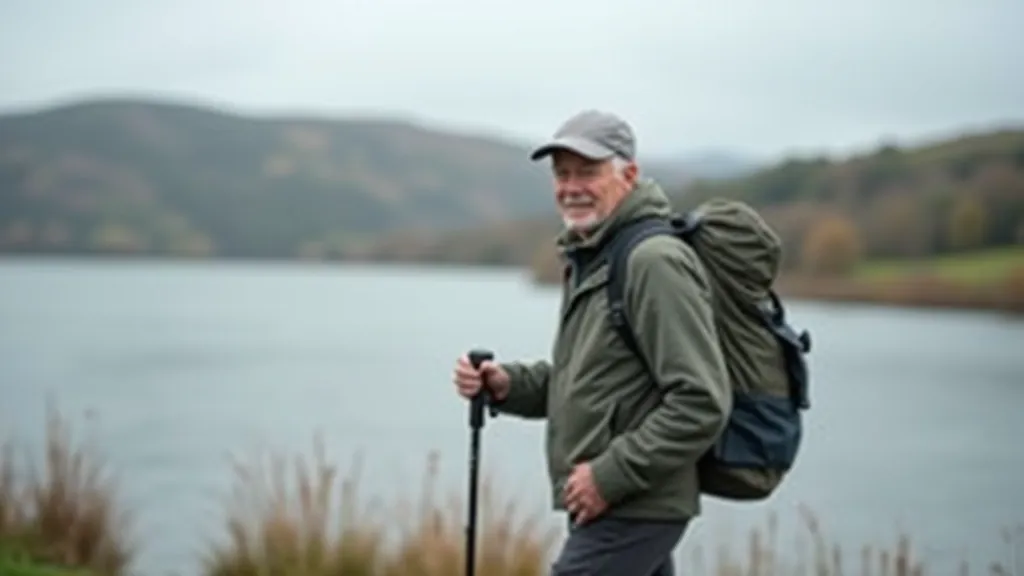
Ireland's weather isn't dramatic — it's unpredictable. That's the real challenge. You'll leave home on what looks like a fine morning and find yourself in drizzle within 30 minutes. The good news? Proper layering handles this completely.
Start with a moisture-wicking base layer. Cotton holds moisture and makes you cold when you stop moving. Merino wool or synthetic materials dry quickly and regulate temperature. Add a fleece or lightweight insulating layer on top, then a waterproof outer shell. This system works because you can adjust as needed. Getting too warm? Unzip the outer layer. Temperature drops? The fleece stays on.
Wind matters more than temperature around lakes. Water reflects heat, and lakeside paths funnel wind. Bring a windproof outer layer even if the forecast looks mild. You'll be grateful when you're 45 minutes into your walk and the wind picks up.
Here's what trips people up: they get focused on the destination and forget to drink water. You don't feel thirsty until you're already dehydrated, especially in cool weather. By then, you're tired and headachy when you could've prevented it entirely.
Bring more water than you think you'll need. A small 500ml bottle is a minimum — 750ml to 1 litre is better for walks over 90 minutes. Sip regularly throughout your walk, not just when you feel thirsty. Add electrolyte powder if you're walking for longer than 2 hours — it helps your body retain fluids better than water alone.
Pacing matters more than speed. Walking at 4 kilometres per hour is perfectly normal and sustainable. That's roughly 45 minutes per kilometre. If you're stopping to catch your breath every 10 minutes, you're going too fast. Slow down. The view isn't going anywhere, and you'll actually enjoy the walk more if you're not pushing yourself.

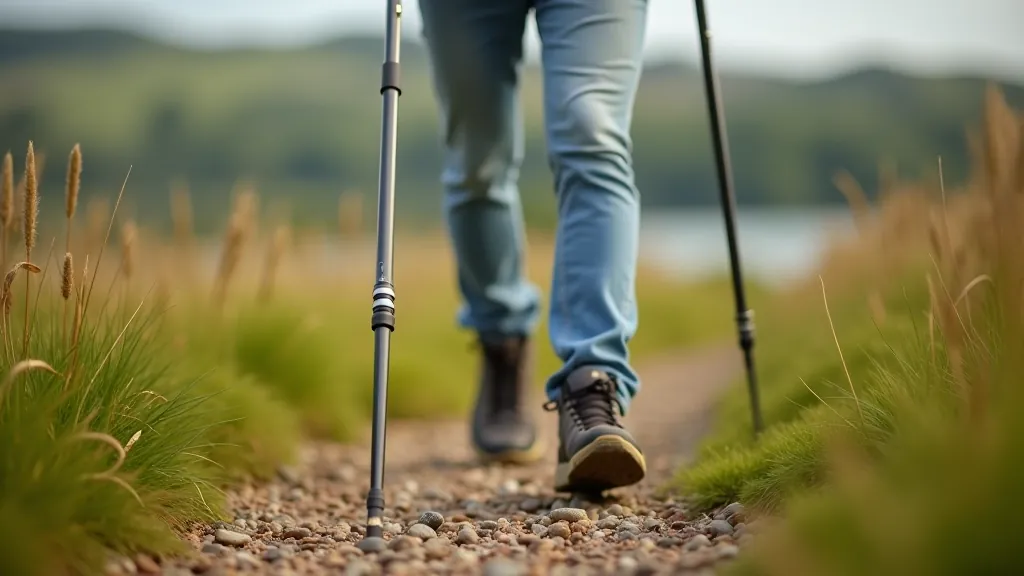
Walking poles aren't just for serious hikers — they're genuinely helpful for longer lakeside walks. They're not about weakness or age. They're about biomechanics. Poles distribute effort between your upper and lower body, which means less stress on your knees and hips.
On uneven terrain or muddy sections, poles provide stability and confidence. You're literally four points of contact instead of two. On flatter paths, they still reduce joint impact by about 25 percent. Over a 5-kilometre walk, that's meaningful.
Adjustable poles work best because you can shorten them on steep descents and lengthen them on climbs. Get ones with cork or foam handles — they're comfortable for extended use. Wrist straps should be loose enough that you can slip your hand out easily if you need to adjust something.
Walking Ireland's lakesides is one of the best ways to spend a few hours. You get fresh air, movement, and scenery that changes with every season. None of that's diminished by being properly prepared — it's enhanced. You're comfortable, confident, and able to actually enjoy where you are instead of being distracted by wet feet or a tight chest from pushing too hard.
Start with these essentials: proper footwear, layered clothing, water, and realistic pacing. Once those are habits, everything else becomes easier. You'll find yourself walking more often, going a bit further each time, and discovering routes that become favourites.